GLDP000142
In-House Research
Glycoproteomic characterization of Neuropilin-1 reveals critical glycosylation sites for SARS-CoV-2 entry
Chronicle Description
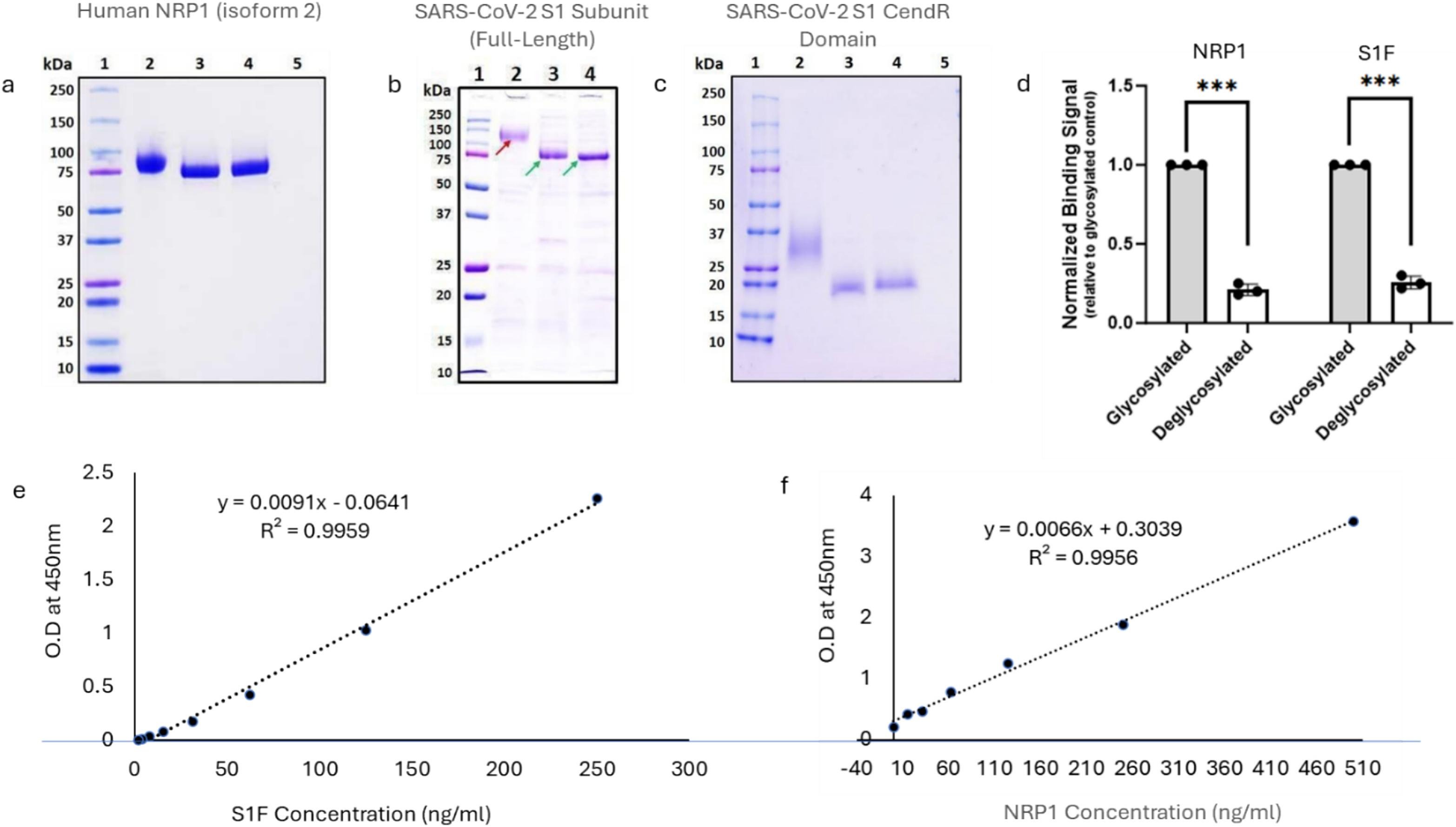
The binding of the SARS‑CoV‑2 spike (S) glycoprotein to human host receptors, including ACE2, NRP1, and AXL, is essential for viral entry. Glycosylation of both the spike protein and its host receptors can significantly influence these interactions. While NRP1 is recognized as a key host receptor, the role of its glycosylation in spike binding and viral infectivity has not been fully elucidated. In this study, we developed a spike‑NRP1 binding assay using recombinant proteins in HEK293 cells and performed LC‑MS‑based glycoproteomic analysis to characterize NRP1 glycosylation. We identified three N‑linked glycosylation sites (N150, N261, N522) and four O‑linked glycosylation sites (S612, S637, T638, S641) on NRP1. Mutational analysis revealed that glycosylation at these specific sites is critical for spike binding, as single‑site mutants showed significantly reduced interaction. Further characterization of terminal sialic acid linkages, bisecting GlcNAc, and fucosylation patterns provided insight into the complexity of NRP1 glycosylation. Functional assays demonstrated that loss of glycosylation impaired SARS‑CoV‑2 pseudovirus entry and altered IL‑6 secretion, indicating a broader role in host immune modulation. These findings demonstrate that site‑specific NRP1 glycosylation modulates spike binding and viral entry in a cell‑based model, providing a foundation for future studies to explore the potential of targeting glycosylation‑dependent mechanisms in SARS‑CoV‑2 infection.
Associated Publications
Tuhin Das; Shuhong Luo; Panning Wang; Jianmin Fang; Asif Shajahan; Lauren Peppi; Sabyasachi Dash; Kino Maravillas; Rochelle N. Wickramasekara; Parastoo Azadi; Ruo-Pan Huang
Biochimica et Biophysica Acta (BBA) - Proteins and Proteomics
Data Files & Attachments
1 File(s) Available
| File Name | Description | File Type | Size | Action |
|---|---|---|---|---|
| Supporting Information | Supporting Information | DOCX | 1.01 MB | Login to Download |
Research Keywords & Tags
Related Chronicles