Glycomaterials Chronicles
Explore curated research chronicles, originating experimental data, spectral analysis, and related open-access publications across carbohydrate materials research.

Coarse-grained molecular dynamics integrated with convolutional neural network for comparing shapes of temperature sensitive bottlebrushes

Synthesis and Characterization of Multi-Reducing-End Polysaccharides

Systematic Evaluation of Macromolecular Carbohydrate-LectinRecognition Using Precision Glycopolymers
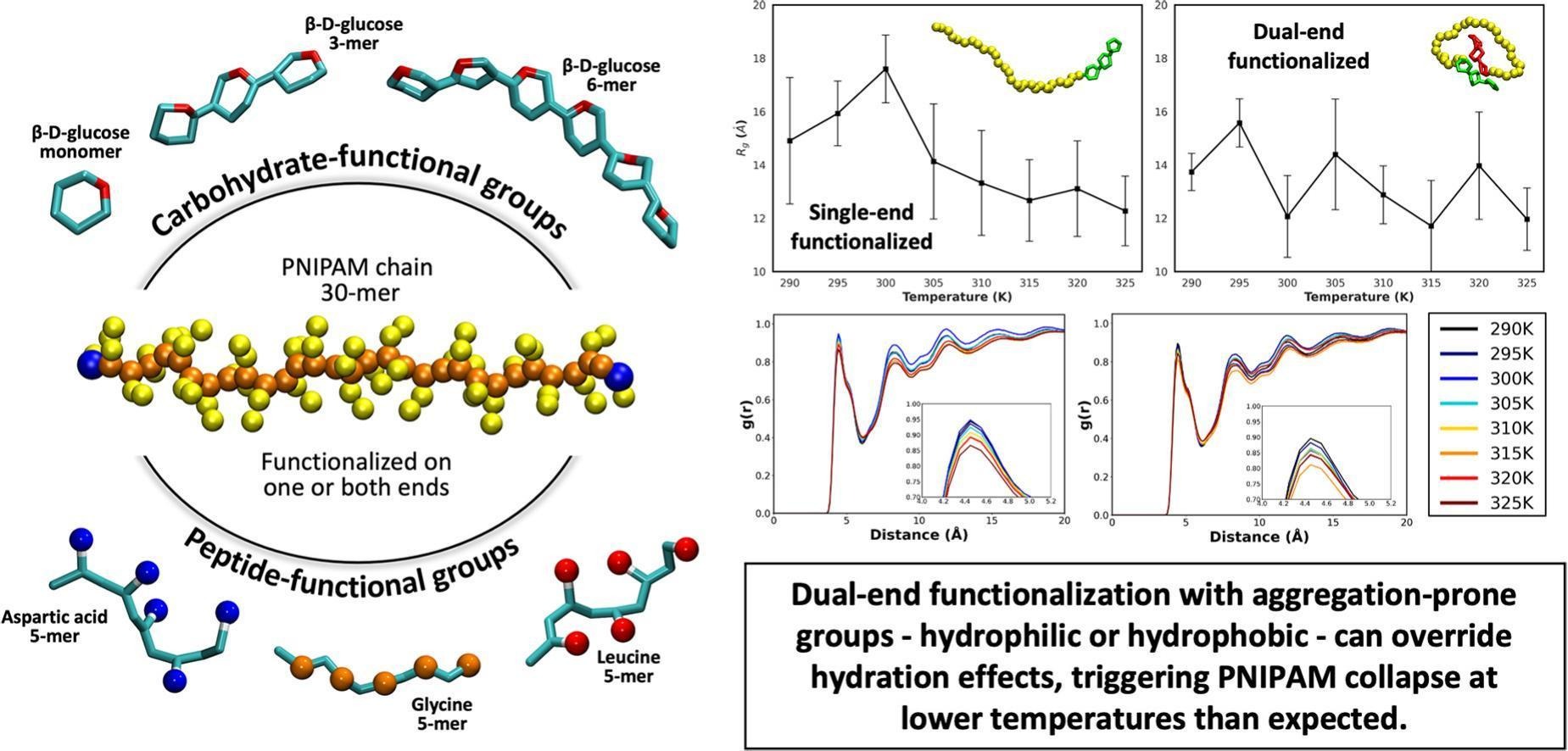
Aggregation of functional groups leads to unexpected lowering of PNIPAM LCST

All-polysaccharide, self-healing, pH-sensitive, in situ-forming hydrogel of carboxymethyl chitosan and aldehyde-functionalized hydroxyethyl cellulose
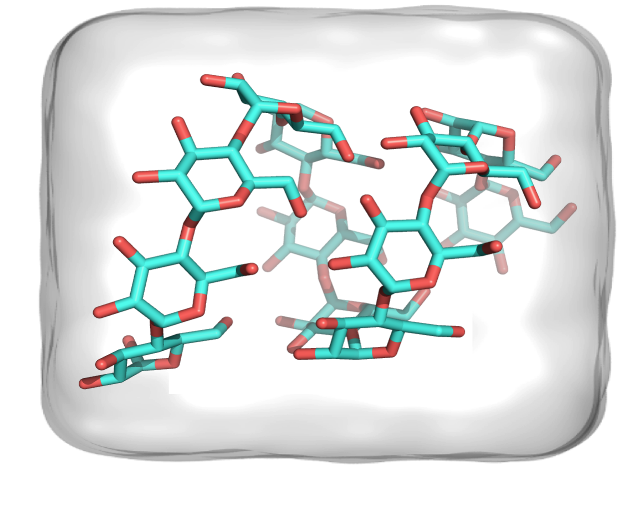
Insights into the electronic and structural properties of cellulose and amylose: A comparative force field study
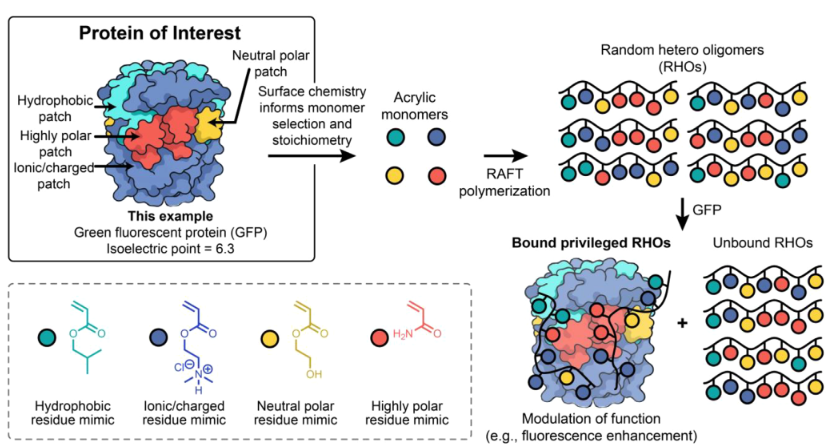
Tuning Polyacrylate Composition to Recognize and Modulate Fluorescent Proteins

Synthesis and real-time characterization of self-healing, injectable, fast-gelling hydrogels based on alginate multi-reducing end polysaccharides (MREPs)
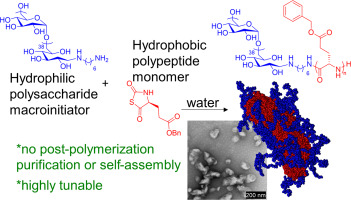
Dextran-block-poly(benzyl glutamate) block copolymers via aqueous polymerization-induced self-assembly

Regioselective and controlled-density branching in amylose esters

Seaweed-derived fucoidans and rhamnan sulfates serve as potent anti-SARS-CoV-2 agents with potential for prophylaxis

Absolute pharmacokinetics of heparin in primates
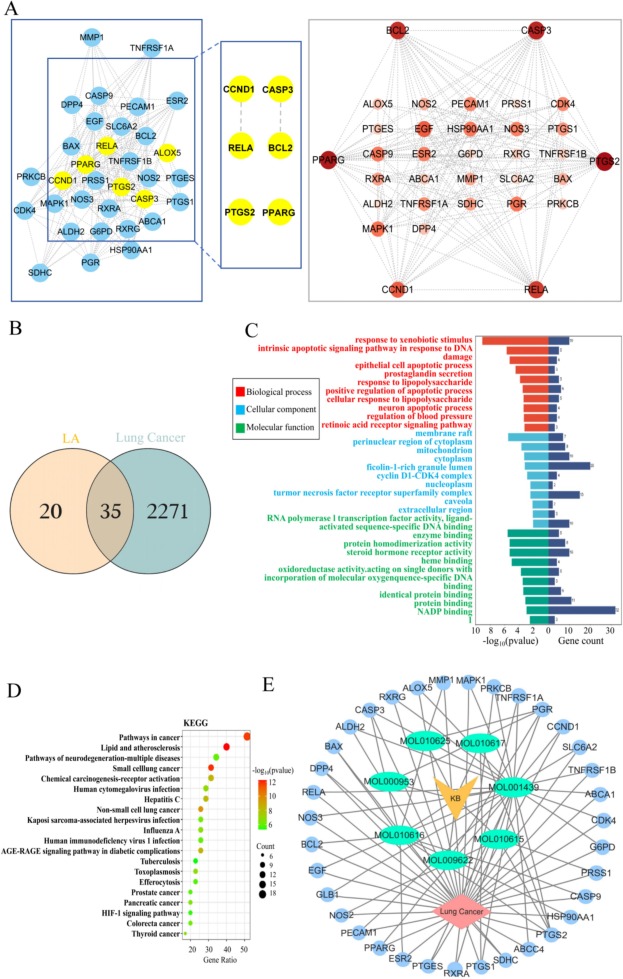
Anti-lung cancer activities of polysaccharides from Laminaria japonica: Network pharmacology and structural insights
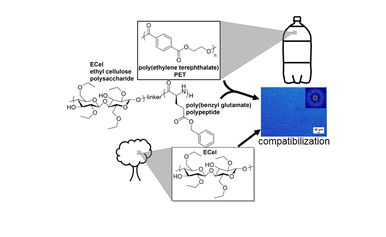
Ethyl cellulose-block-poly(benzyl glutamate) block copolymer compatibilizers for ethyl cellulose/poly(ethylene terephthalate) blends
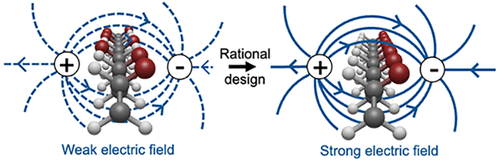
Electric Fields in Polymeric Systems
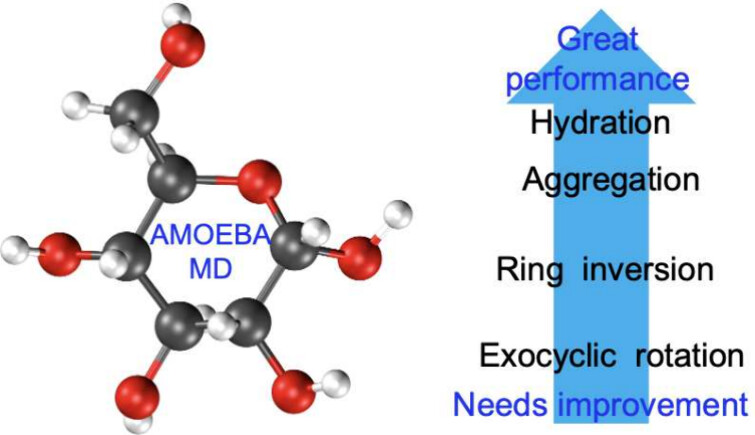
Is AMOEBA a Good Force Field for Molecular Dynamics Simulations of Carbohydrates?
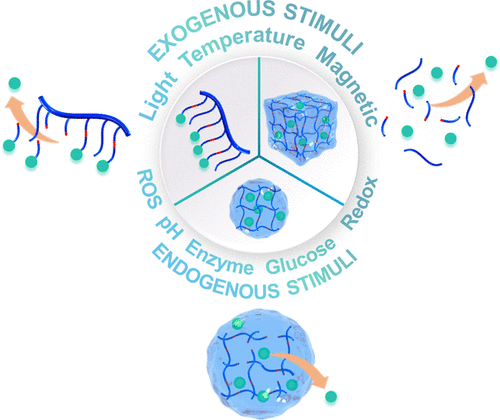
Stimuli-Responsive Polymers at the Interface with Biology
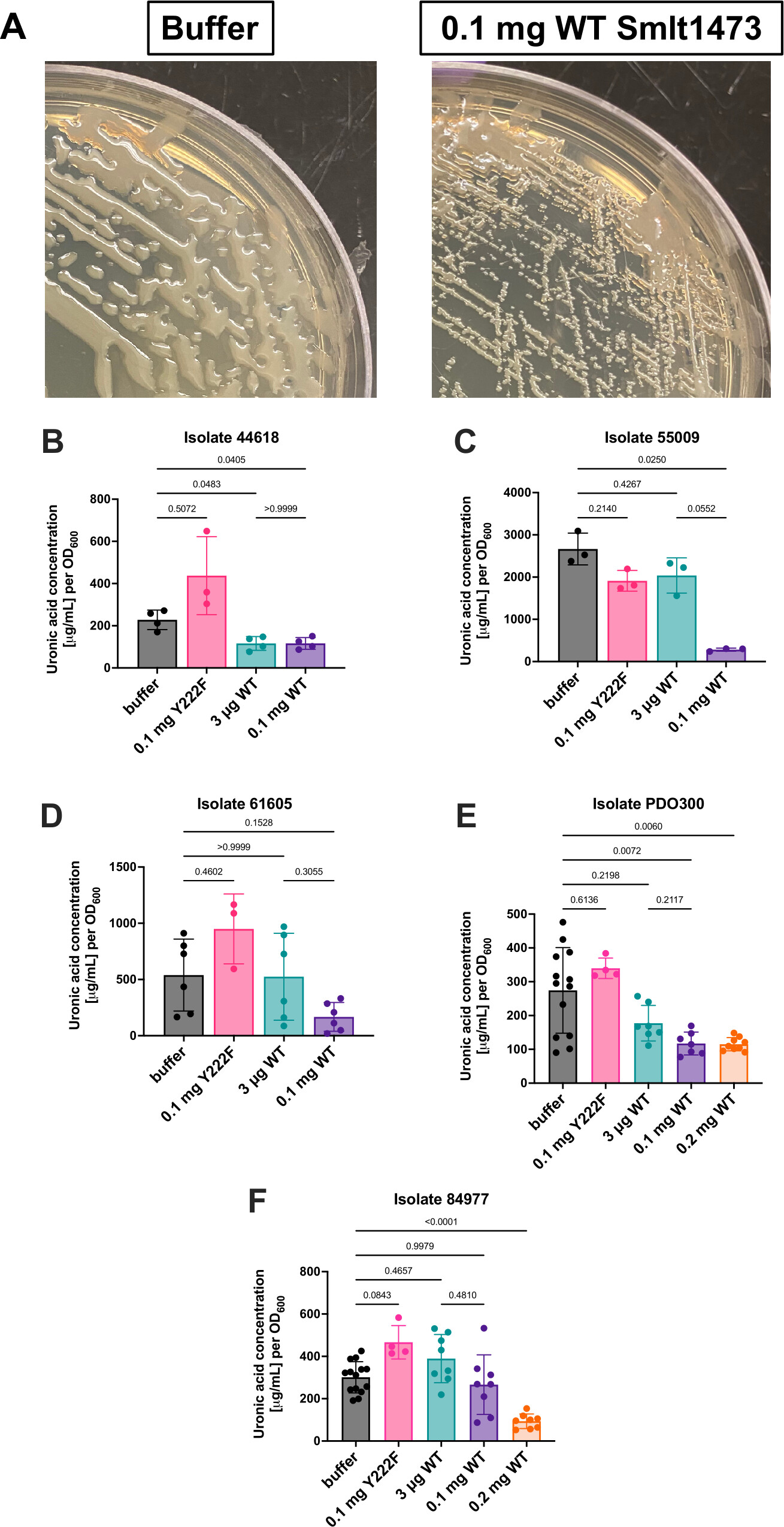
Applying a polysaccharide lyase from Stenotrophomonas maltophilia to disrupt alginate exopolysaccharide produced by Pseudomonas aeruginosa clinical isolates
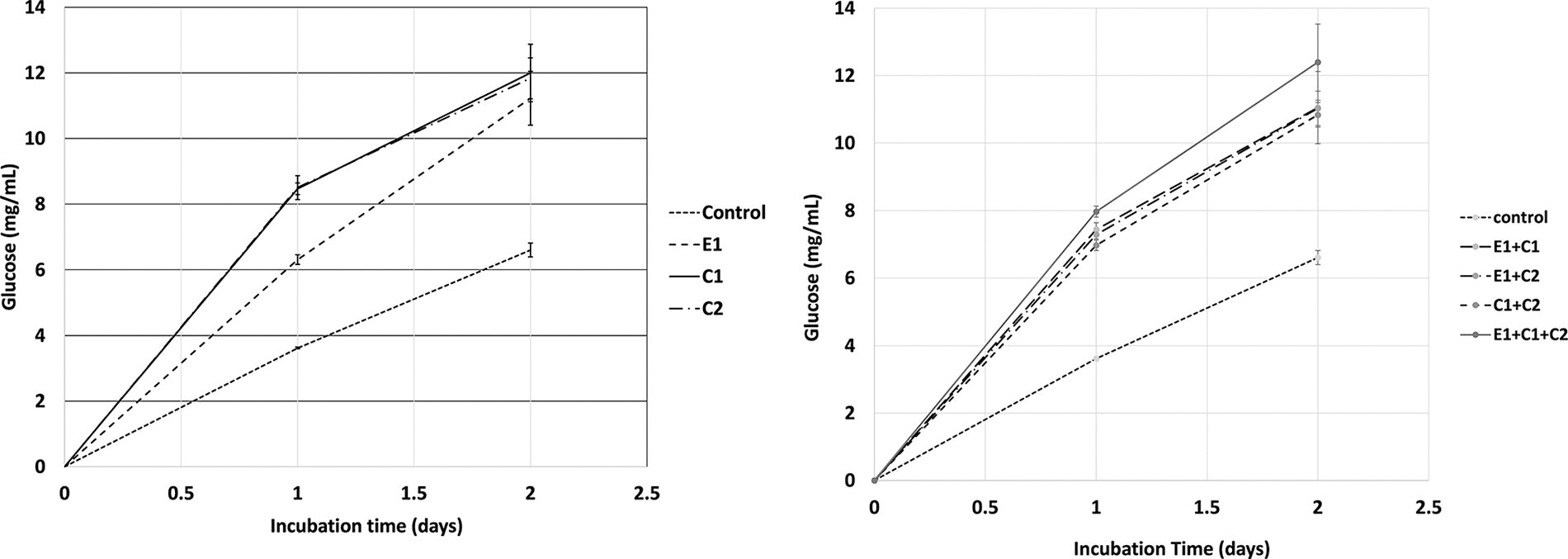
Increasing Glucose Yield from Cellulose in Ground Corn Using Plant-Made Recombinant Cellulases
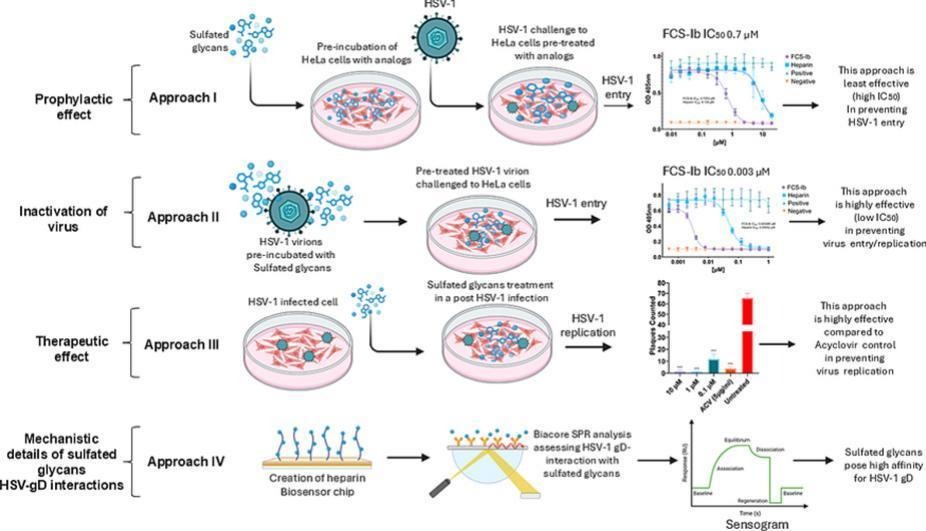
Marine-derived sulfated glycans display a potent virostatic mechanism to block herpes simplex virus type-1 (HSV-1) entry and spread


